
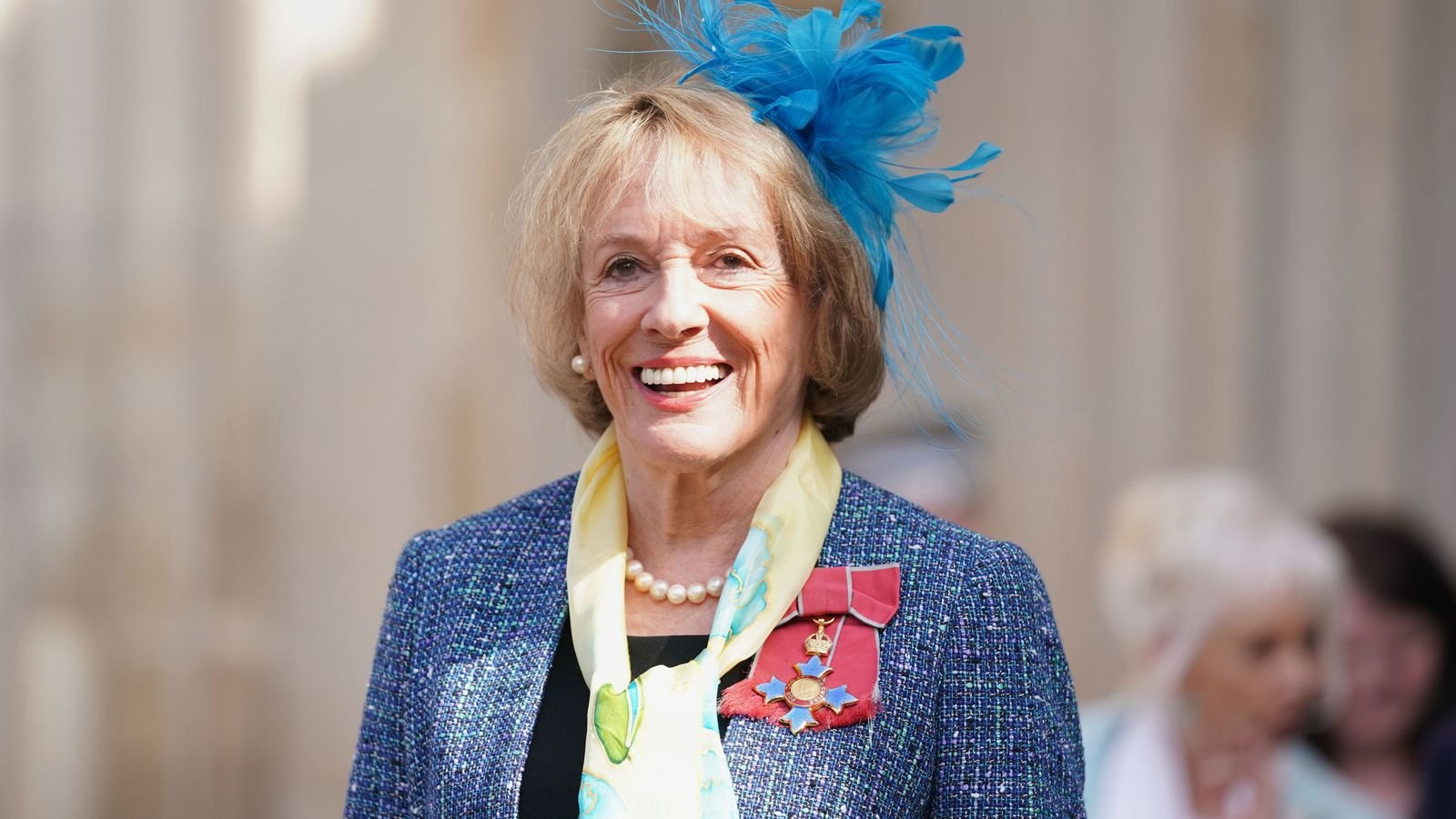
Dame Esther Rantzen has opened up about living with terminal cancer, admitting she «didn’t expect to see last Christmas» and criticizing delays in assisted dying legislation.
Dame Esther shared on Mornings With Ridge And Frost that while there is no cure for her condition, treatment has managed to «delay» the progression of her cancer by three years.
The renowned TV personality, known for hosting the BBC’s That’s Life in the 1970s and ’80s, made the decision to join Dignitas in 2023 following her diagnosis, describing the existing laws around assisted dying at the time as chaotic.
Expressing her support for new legislation, she acknowledged that The Terminally Ill Adults (End of Life) Bill, also known as the Assisted Dying Bill, currently making its way through parliament, would not have been implemented in time for her. Instead, she emphasized the importance of fighting for the future generations to have a choice in their end-of-life decisions.
In her critique of the House of Lords, Dame Esther accused certain lobby groups of obstructing the bill’s progress, citing opposition from groups representing disabilities and religious beliefs. She emphasized the need for individuals to have the dignity of choice in their final moments.
She urged the House of Lords to uphold their democratic duty and not allow minority groups to impede the will of the public and the House of Commons.
Dame Esther commended the NHS for extending a pilot scheme that utilizes AI and robotics to enhance early detection of the third most common cancer in the UK, seeing it as a positive step in the changing landscape of cancer treatment.
Addressing the screening programme initiated by NHS England, which targets individuals who have ever smoked between the ages of 55 and 74, Dame Esther questioned the exclusion of individuals over the age of 75, asserting that age should not be a determining factor in access to healthcare.
With more than 49,000 people diagnosed with lung cancer annually, she emphasized the importance of early intervention and treatment in improving life expectancy.
Read more from Sky News:
King’s ‘good news’ on cancer
She shared her empathy for those facing the challenges of untreatable cancer, emphasizing the significance of early detection and intervention in improving outcomes and extending life expectancy.
So I welcome it, of course, for other people.»
Ministers might want to consider taking a closer look at that,» Dame Esther Rantzen said during an interview on Mornings With Ridge And Frost. She shared her personal experience of living with terminal cancer, expressing her surprise at making it past last Christmas. Despite the lack of a cure for her condition, Dame Esther revealed that treatment had managed to delay the progression of her cancer by three years.
Having been diagnosed in 2023, Dame Esther joined Dignitas, a right-to-die organization, in the same year. She criticized the existing legislation around assisted dying, labeling it as chaotic. The Assisted Dying Bill, also known as The Terminally Ill Adults (End of Life) Bill, is currently making its way through parliament. Dame Esther acknowledged that the bill would not have been enacted in time to benefit her but emphasized her commitment to fighting for the right of future generations to have a choice if they are terminally ill.
Dame Esther criticized the House of Lords for its handling of the bill, accusing certain lobby groups of obstructing its progress. She mentioned disability and religious groups as being particularly vocal in their opposition to the concept of assisted dying, using various tactics to delay the bill’s passage despite strong support from the public. She highlighted the importance of granting individuals the dignity of choice in such matters.
Dame Esther called for a reevaluation of the House of Lords’ role in upholding democratic values, criticizing the influence of minority lobby groups in obstructing the will of the public. She emphasized the need for a fair and democratic process that respects the choices and desires of the majority.

Por Michael Bunting
“I’m Michael Bunting, Communications Director with over 20 years of experience in corporate reputation, crisis management, and digital strategy. I have led teams in multinational companies and agencies, advised executives, and designed high-impact strategies. I am driven by transparency, innovation, and leveraging communication as a competitive advantage.”