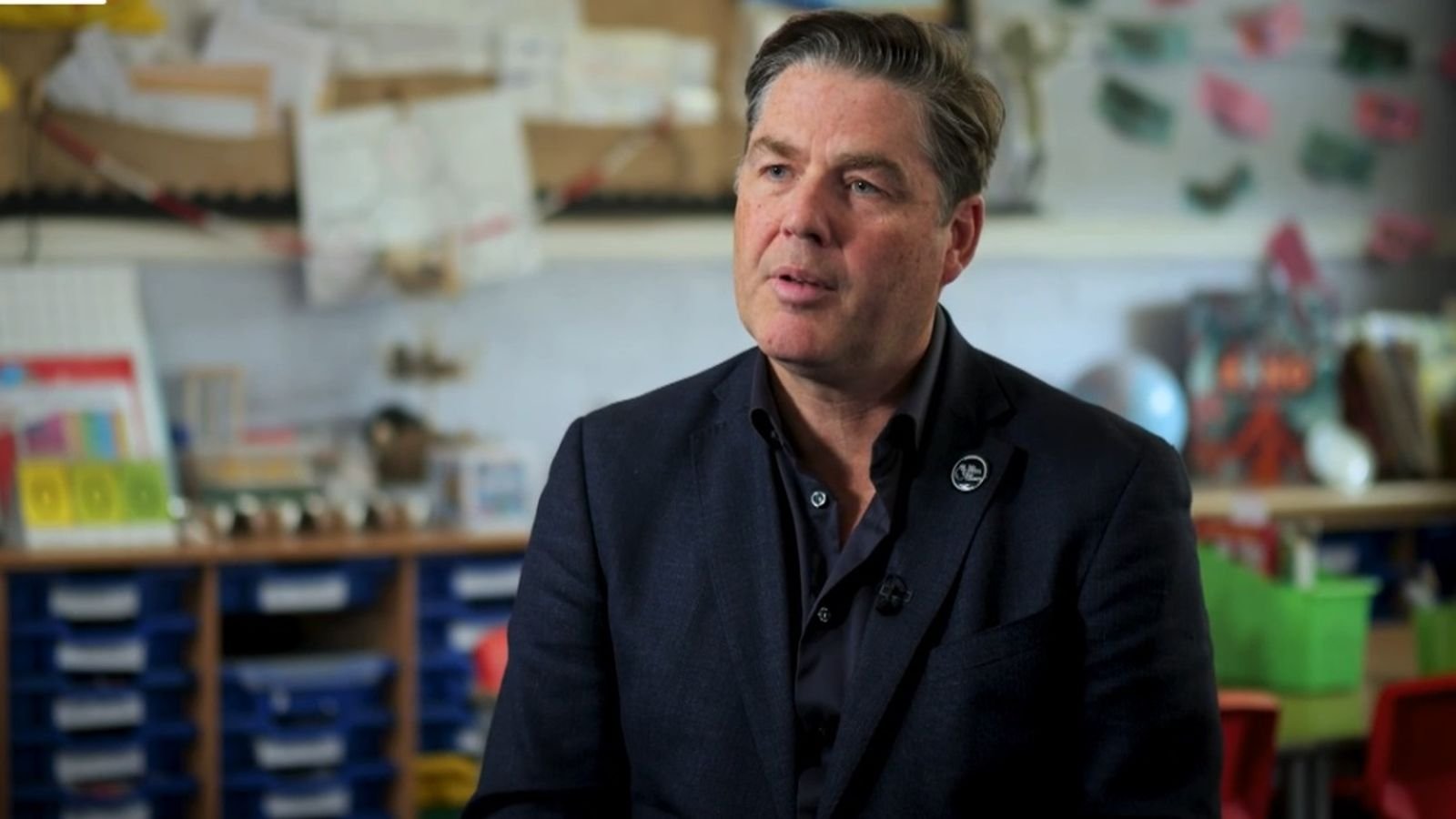
Premier League chief executive Richard Masters has informed Sky News that players will continue to take the knee at this weekend’s matches, despite ongoing debates on the effectiveness of the anti-racism gesture.
The captains of the 20 clubs are reportedly in support of the decision, although individual players may choose to opt out.
Most Women’s Super League teams recently decided against taking the knee during games commemorating Black History Month, citing a perceived decrease in its significance due to a rise in racism.
Recent reports by Sky News revealed a quadrupling of online racism cases in English football this season.
In his exclusive interview, Mr. Masters expressed concerns about the anonymity of social media users posting abusive content and suggested that identity checks might be necessary.
The Premier League is urging social media platforms to take more action by modifying algorithms to prevent players from seeing abusive content and implementing additional safeguards to prevent such content from reaching their inboxes.
Viewing racism as a societal issue that requires education, Mr. Masters was accompanied by Sky News on a visit to a school in west London, where the Premier League collaborated with Brentford.
… (continued)
Please use Chrome browser for a more accessible video player
2:40
Football sees surge in online hate
This would be a positive step forward.
«And ultimately, it’s up to us to continue pushing cases through and implementing effective real-world deterrent actions, in collaboration with law enforcement and other enforcement agencies worldwide.»
There are concerns surrounding the use of AI to generate racist images and abusers using phrases or scrambled letters to bypass algorithms.
Read more from Sky News:
England qualify for 2026 World Cup
Why has the weather been gloomy recently
«It’s no longer just about text rants, which are already troubling, but now we’re witnessing people using images to create some of the most offensive content imaginable,» stated Mr. Cooper.
«I believe video content could pose a future problem, as we have already seen with deepfakes.»
Instagram owner Meta and Elon Musk’s X have both refused to provide information on their efforts to eliminate racism, despite numerous interview requests over several months.
Please use Chrome browser for a more accessible video player

1:38
FA considering social media boycott over racism
Being active on social media exposes children to incidents of racist abuse in football more than ever before.
Following a class session in west London, Premier League Primary Stars coordinator Benjamin Abrahams stated: «Discussing with young students about the things they’ve heard, the things they are aware of, can sometimes be challenging.
«However, it presents a great opportunity to engage with them, have open discussions, address why things are said and done, why it is wrong, and talk about what is right and what we should all aspire to.»
Another discussion took place during the summer. They are planning to implement changes during the No Room for Racism match rounds and will assess the effectiveness before deciding to continue or stop. It is crucial for them to ensure that any actions taken are impactful. Image: PA
Social media anonymity
Many people feel emboldened to spew racist abuse at footballers on social media due to the anonymity it provides. Premier League CEO Mr. Masters is committed to eradicating this behavior, acknowledging the need for greater identity checks to hold perpetrators accountable. He believes that no professional footballer should have to endure such abuse and supports any measures that make it easier to identify and punish offenders. However, he also recognizes the complexities surrounding freedom of information in addressing this issue.
Expressing concern over the escalation of offensive content beyond text rants, such as the creation of racist images, highlights the urgency of addressing these issues. The emergence of deepfakes and potential future challenges posed by video manipulation further emphasize the importance of proactive measures to prevent the dissemination of harmful content.
Despite the gravity of the situation, some tech giants like Instagram owner Meta and Elon Musk’s X have remained tight-lipped about their strategies to combat racism online. Their reluctance to disclose details or engage in interviews raises questions about the transparency and effectiveness of their initiatives in tackling this pressing issue.
The prevalence of racist abuse in the realm of social media has heightened awareness among children, particularly concerning incidents within the football community. Benjamin Abrahams, the Premier League Primary Stars coordinator, acknowledges the difficulty of addressing such sensitive topics with young pupils but underscores the opportunity for open conversations to educate and empower them to stand against discrimination.
In today’s digital age, where harmful content can easily spread across online platforms, it is imperative to equip individuals with the knowledge and tools to combat racism effectively. By fostering a culture of inclusivity and respect, we can work towards creating a safer and more welcoming online environment for all users.
As we navigate the complexities of tackling racism in the digital sphere, collaboration and collective action are key in driving meaningful change. By amplifying voices, advocating for accountability, and promoting anti-racism initiatives, we can strive towards a more equitable and just online landscape.
In conclusion, addressing the misuse of AI technology, combating racist abuse, and fostering a culture of inclusivity are essential steps in creating a safer and more respectful digital space. Through ongoing education, advocacy, and collaboration, we can work towards a future where online platforms are free from discrimination and prejudice. Let us continue to push for progress and stand united against racism in all its forms.
SOURCE