- Jue. Ene 22nd, 2026

fifebusinessjournal.co.uk
fifebusinessjournal.co.uk
Latest news
 Welsh First Minister criticizes Westminster for unfair treatment of Wales
 JP Morgan expands wealth management services with WealthOS acquisition
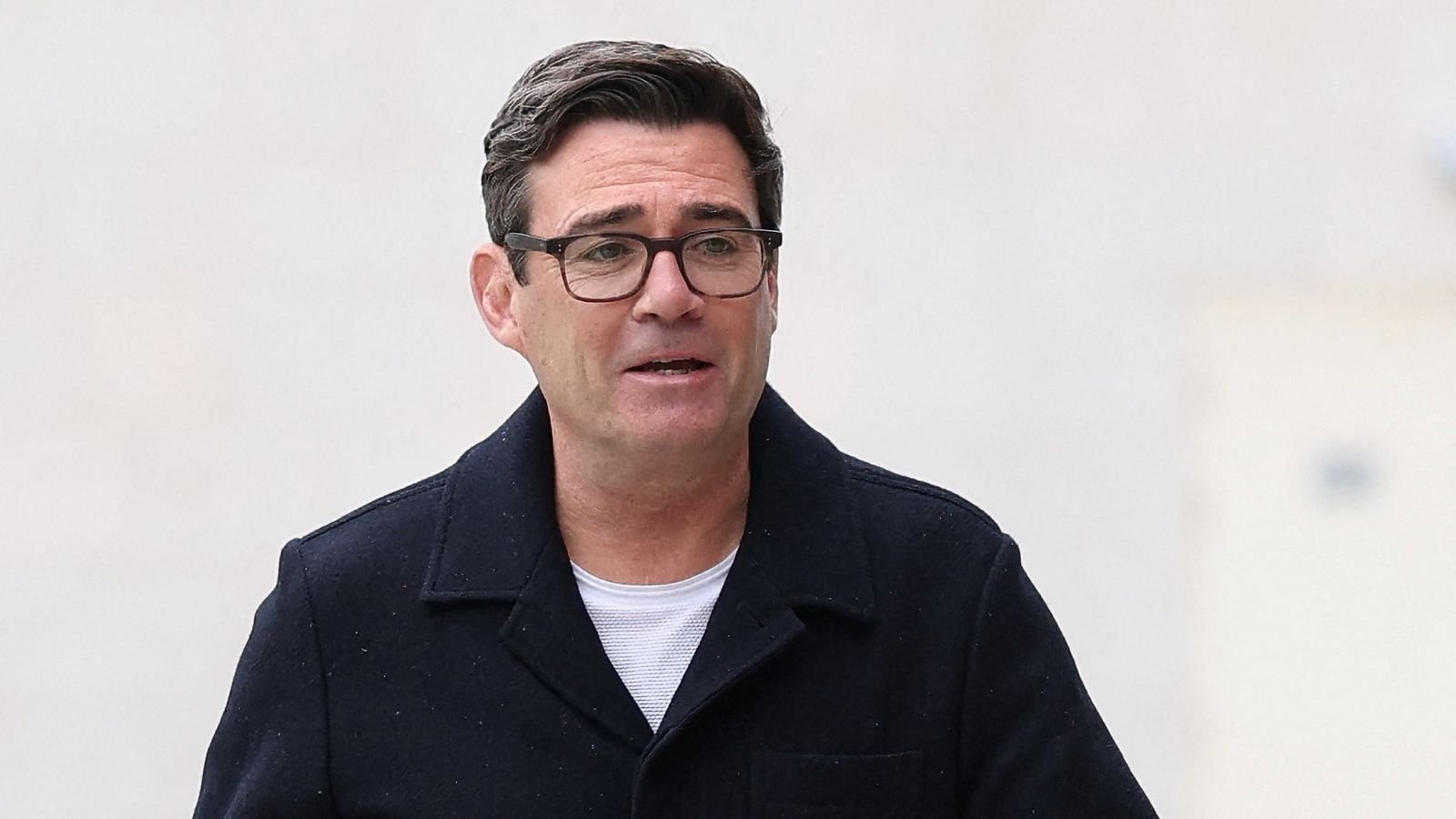 Labour MP to retire, paving way for Andy Burnham to become MP
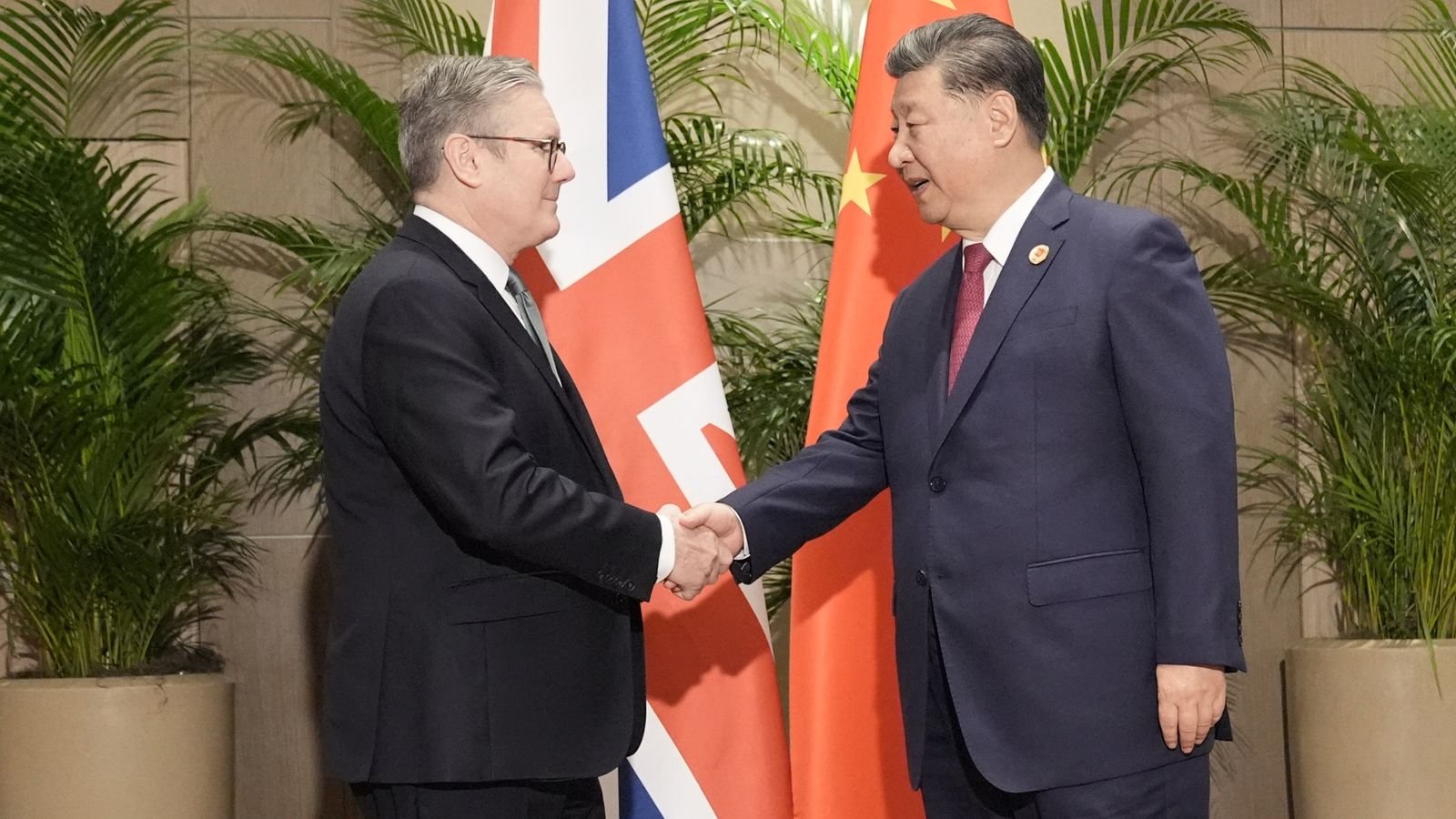 HSBC chair Nelson to join Starmer on China visit
 Metagenics acquires Symprove, a leading probiotics maker
Roadwork levels surge, partially blamed on Boris Johnson – UK News
The number of roadworks in Britain has more than doubled in the past two years – and frustrated drivers are more likely than ever to get stuck behind temporary traffic…
Giorgio Armani’s Will Directs Gradual Sale of Fashion Empire
Following a lifetime of rejecting potential business partners, the late Italian designer Giorgio Armani directed his family to gradually divest his extensive fashion empire. Armani, who passed away last week…
Scottish woodland campers defy court order to vacate | UK News
The leader of a self-styled African tribe living in a Scottish woodland has vowed his group will stay put despite a court order stating the encampment should be removed. A…
The Diamond Store seeks new investors for sparkle
Britain’s largest online diamond jewellery retailer is considering selling a stake in the company to external investors for the first time in its 69-year history. Sky News has learned that…
Labour caught in witch-hunt over Peter Mandelson’s appointment in Politics News
The question being asked everywhere today is "how did it happen"? Because the vibe out of Downing Street this morning seems to be that nobody anywhere did anything wrong, processes…
M&S tech chief leaves after cyber attack costs £300m
The Marks & Spencer (M&S) executive responsible for its technology function is leaving the retailer months after a devastating cyber attack which disrupted its systems at a cost of hundreds…
Prince Harry’s Surprise Visit to Ukraine for Military Recovery | UK News
Prince Harry has made a surprise visit to the Ukrainian capital of Kyiv, a spokesperson for the royal has said. Harry, who served 10 years in the British Army, visited…
Economy slows further in July with zero growth, official figures reveal
The UK economy «continued to slow» and recorded zero growth in July, according to official figures showing a big drag from manufacturers. The data from the Office for National Statistics…
MPs call for COVID-19-style financial aid for Jaguar Land Rover after cyberattack
The Committee for Business and Trade, a group of influential MPs, is advocating for COVID-19-style financial assistance for Jaguar Land Rover in the aftermath of a cyberattack. Following a series…