
An independent review of the water industry is set to propose extensive changes to the sector’s management, including the potential replacement of Ofwat with a strengthened body that integrates economic and environmental regulation.
Former Bank of England governor Sir Jon Cunliffe will release the results of the Independent Water Commission on Monday, with industry stakeholders anticipating significant regulatory reforms.
In recent years, the current regulator Ofwat has faced criticism from all quarters due to increasing public dissatisfaction with pollution levels and the financial practices of water companies.
Read more:
Serious water pollution incidents in England up 60% last year
Why has there been a surge in water pollution?
Campaigners and politicians have accused Ofwat of failing to hold water operators accountable, while companies argue that its emphasis on cost control has hindered necessary infrastructure investments.
In a preliminary report issued in June, Sir Jon highlighted the challenges posed by multiple regulators with overlapping responsibilities as a key issue confronting the industry.
While Ofwat serves as the economic regulator, the Environment Agency oversees pollution standards in conjunction with the Drinking Water Inspectorate.
Sir Jon’s final report is expected to suggest that the government explore the establishment of a new regulator that consolidates Ofwat’s economic regulatory authority with the water-related responsibilities currently overseen by the Environment Agency.
In his interim report, Sir Jon mentioned various reform options ranging from streamlining existing regulations to more comprehensive structural changes integrating regulatory mandates and functions.
As he finalizes his report, Sir Jon is believed to have engaged in discussions with industry and government leaders on the implications of fundamental reform.
Following the report’s release, Environment Secretary Steve Reed is anticipated to initiate a consultation on the recommendations put forth by the commission.
The commission is also likely to propose a «significant shift» in the economic regulation model, transitioning from econometric modeling to a supervisory approach that considers individual company circumstances to a greater extent.
Read more from Sky News:
Police taking no further action over Kneecap’s Glastonbury show
New fee for Britons traveling to EU will cost more than expected
Sir Jon has emphasized the need for long-term strategic planning and stability in the water industry to attract «low-risk, low-return investors.»
The industry has long voiced concerns about the current model, where companies are compared against an idealized model operator and penalized for failing to meet financial and environmental standards, posing a potential «doom loop.»
Thames Water, currently grappling with an equity process to avoid special administration, has attributed its financial distress in part to significant fines for failing pollution standards.
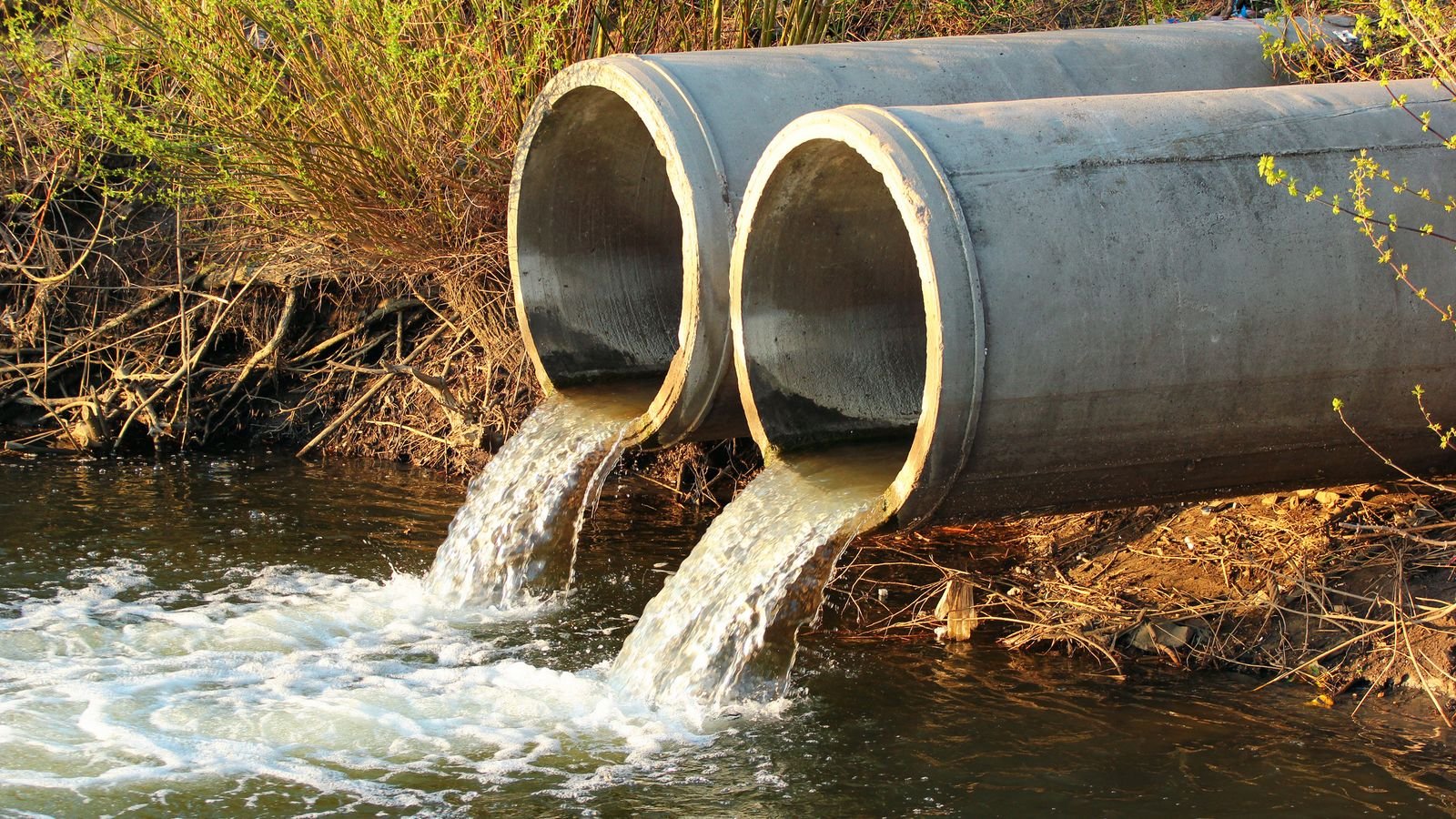
The release of the Independent Commission report coincides with the Environment Agency’s publication of data indicating a 60% increase in serious pollution incidents in 2024, as Thames Water enforces a hosepipe ban on 15 million customers.
Ofwat, Water UK, and the Department for the Environment have all opted not to provide comments.