

The UK economy experienced minimal growth of 0.1% in the third quarter of this year, which was lower than the 0.2% GDP growth in the previous three months, according to new official figures released by the Office for National Statistics (ONS). The 0.2% growth figure for April to June was revised down from the initial estimate of 0.3%.
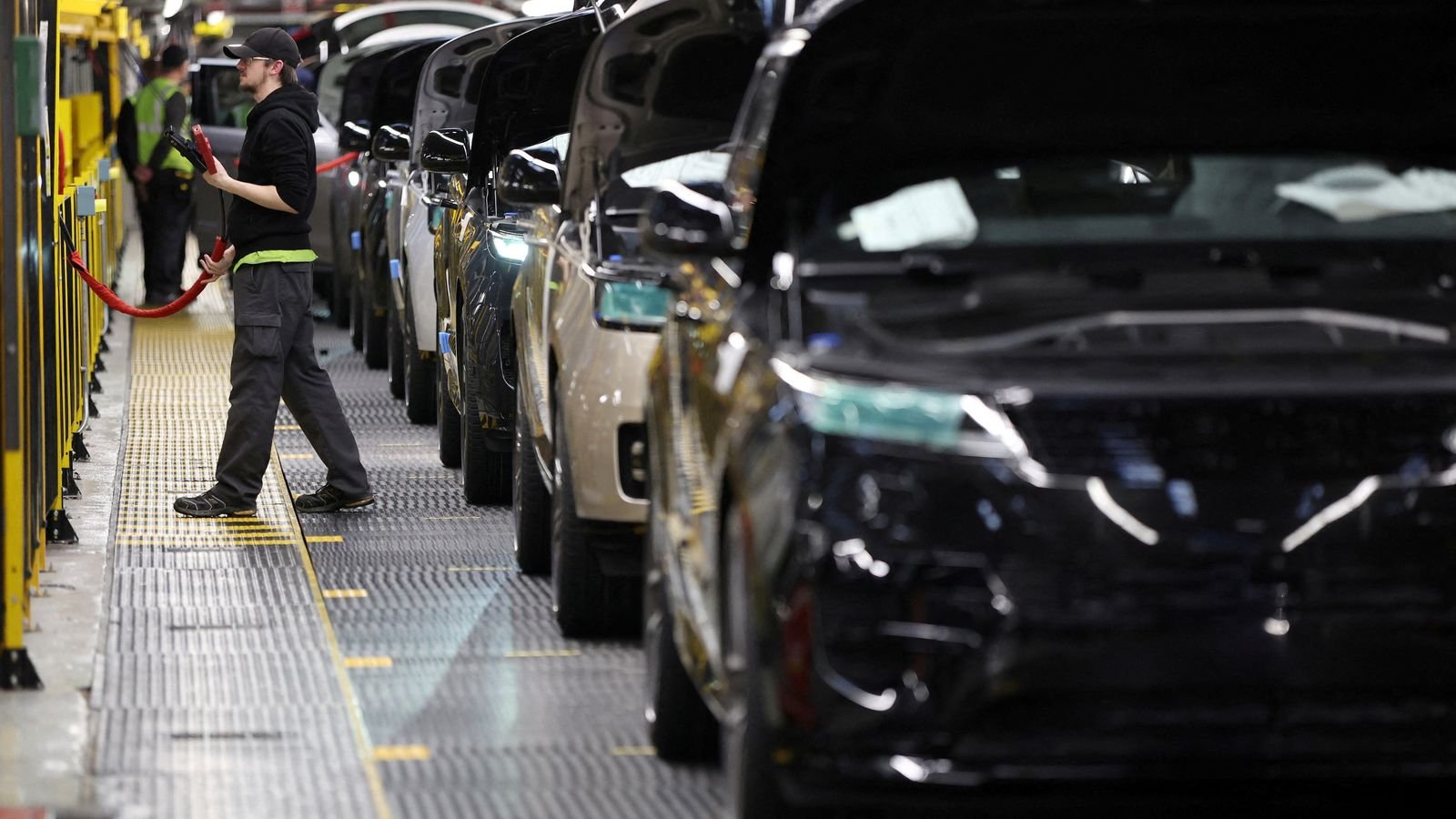
The slowdown in growth from July to September was influenced by the cyberattack on Jaguar Land Rover, causing production to halt for several weeks. Liz McKeown, ONS director of economic statistics, noted that the updated figures reflect a continued deceleration in growth during the third quarter. The decline in car manufacturing contributed to the decrease in production, offsetting growth in services.
Household finances faced pressure as Britons saved less in the third quarter, with the household saving ratio dropping by 0.7 percentage points to 9.5%, the lowest in a year. Additionally, household disposable income per head decreased by 0.8% following no change in the previous quarter.
To stimulate the economy, the Bank of England reduced interest rates to 3.75% last week. The bank anticipated zero GDP growth in the current October-to-December period, with an underlying economic growth rate of around 0.2% per quarter. GDP is a crucial measure of economic health, representing the total value of goods and services produced.
In other news, the ONS reported that GDP in the third quarter was 1.3% higher than the same period last year, while GDP for 2024 as a whole increased by 1.1%. The UK had previously shown strong growth figures alongside Japan in the first half of the year, but growth has since slowed significantly. This slowdown has been attributed, in part, to prolonged uncertainty surrounding potential tax increases leading up to the chancellor’s budget announcement last month.
The ONS revised its fourth-quarter estimate for 2024 to 0.3%, an increase of 0.1 percentage points. Revisions are common as more detailed information and data become available.
Overall, the UK economy is facing challenges with slower growth rates and ongoing economic uncertainties. The government and financial institutions are implementing measures to support economic recovery and stability. It remains to be seen how these efforts will impact future economic performance.
SOURCE