
The government is set to reveal plans for a major reform of merger scrutiny in the UK, with changes that could strengthen the authority of the competition regulator’s leader. The Department for Business and Trade (DBT) is expected to announce the elimination of the Competition and Markets Authority’s (CMA) panels system, which currently involves independent experts assessing potential anti-trust issues arising from corporate deals.
According to a government source, the CMA’s jurisdictional powers may be restricted, potentially affecting its ability to review certain types of mergers, such as those involving foreign companies. There are also discussions about removing the option for parties affected by merger decisions to appeal on the merits, while still allowing for judicial reviews. Additionally, the CMA’s current practice of conducting broad market investigations across entire industries will be streamlined, merging market studies and investigations into a single process lasting between six and 12 months.
The CMA is expected to establish board sub-committees to oversee mergers undergoing Phase-2 investigations and wider market studies. It is anticipated that the CMA’s chief executive, Sarah Cardell, may serve on at least one of these sub-committees, potentially giving her greater influence over the cases the authority investigates.
The mergers sub-committee is likely to include external expert figures, which some critics may argue replicates the existing panels system in a less effective manner. Currently, the merger of bread producers Hovis and Kingsmill is under Phase-2 investigation, while the CMA is also conducting a prolonged examination of the UK’s veterinary services market.
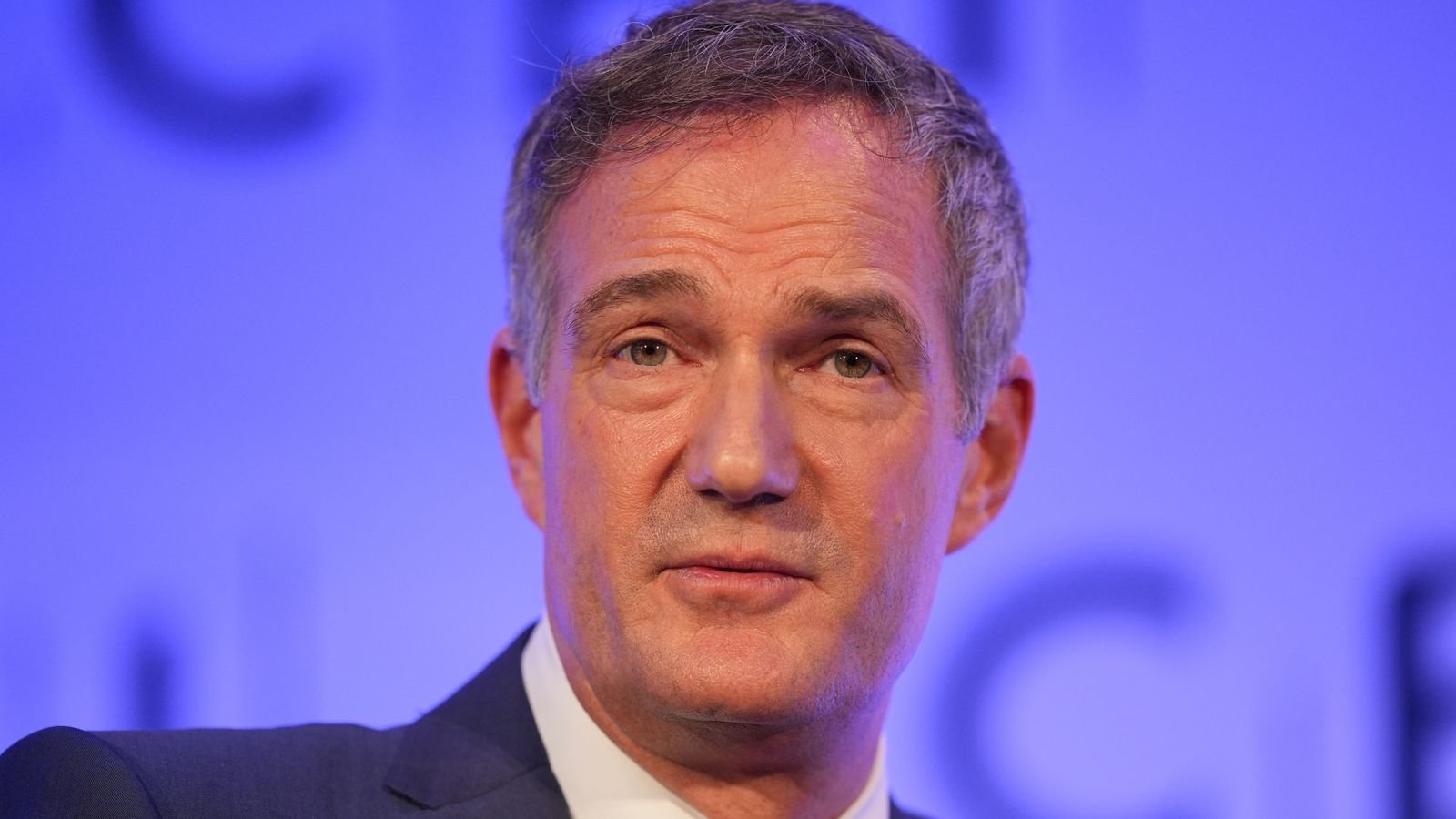
The proposed changes are described by a Whitehall source as the most significant in decades. Business and trade secretary Peter Kyle is expected to announce the plans at the upcoming World Economic Forum in Davos, Switzerland, emphasizing their role in promoting economic growth. The government believes that these reforms will expedite decision-making, providing greater certainty for businesses.
These changes come after the removal of former CMA chairman Marcus Bokkerink by government ministers, including chancellor Rachel Reeves, as part of efforts to deregulate and strengthen Britain’s economic growth. However, concerns have been raised about the independence of merger investigations under the new proposals.
According to a regulatory lawyer, the revamped system could make the CMA more susceptible to political influence, potentially giving greater discretion to the authority’s CEO and board. Both DBT and the CMA have declined to comment on the planned overhaul.
SOURCE