

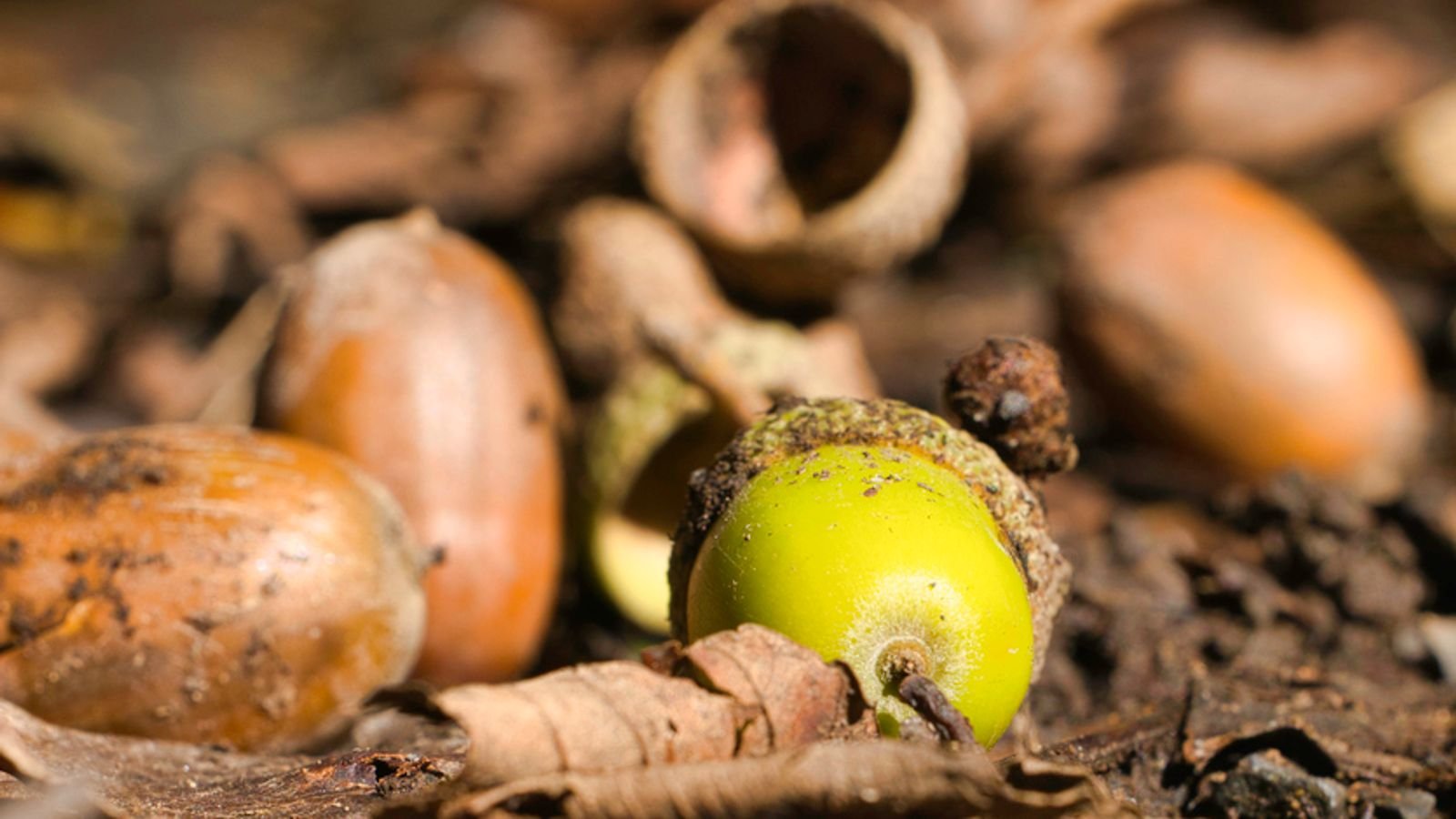
The UK’s hottest summer on record has triggered a «mast year», when trees and shrubs produce an unusually large number of fruits and nuts like acorns, conkers, and berries. Concerns about the hot and dry conditions creating a «false autumn» have been alleviated in some areas, thanks to late rainfall. The National Trust predicts a long, colorful autumn display in the coming weeks, while also highlighting the ongoing challenge of climate change. Volatile weather patterns present a growing challenge for experts as they struggle to predict autumn conditions.
A «mast year» is when certain plants produce a bumper crop of fruits, nuts, and berries, which is beneficial for wildlife. The UK is currently experiencing a «mast year», which typically occurs once every four years. This phenomenon involves trees and shrubs producing more food than animals can consume, ensuring some of the crop is left to survive and germinate. Emily Chandler, head gardener at the National Trust’s Dunham Massey in Cheshire, noted that the volume of acorns this year is the largest they have ever seen. Similarly, Claire McNally, head gardener at the Rowallane Garden in Northern Ireland, expressed excitement for their best berry season in at least five years.
The National Trust mentioned that weather conditions have prevented the onset of a «false autumn» in some areas. Prolonged hot and dry conditions can cause plants to shed leaves and ripen fruits prematurely, but showers in September have put the season back on track. Steve Feazey, head gardener at Sheffield Park in East Sussex, is optimistic about the fiery and spectacular autumn display ahead.
Despite some veteran trees dying and others shedding their leaves early for winter, the colors present a promising autumn display for mid-late October. The National Trust reported a bumper crop of orchard fruit and pumpkins in September. Rebecca Bevan, a plant health and sustainability consultant, attributed the successful fruit harvests in 2025 to a combination of wet conditions followed by a dry and sunny spring, ideal for ripening the fruit.
However, the dry weather has impacted farmers, with the National Farmers Union (NFU) highlighting water shortages affecting the growing season. Some farms have reported significant drops in yields, which could have financial implications for farm businesses and the overall harvest in the UK.
SOURCE