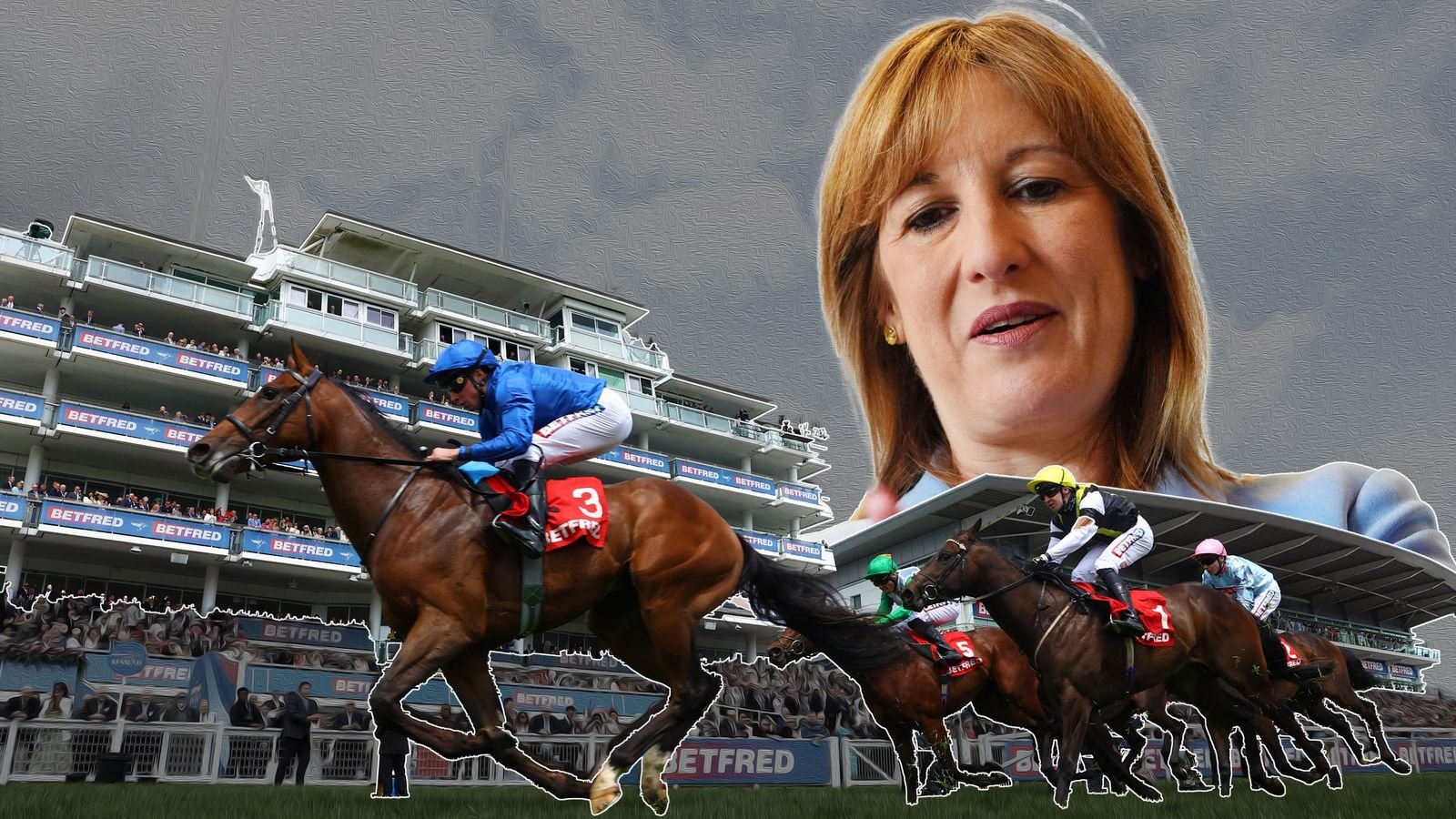
For Tom Marquand, taking a day off racing is a «big deal».
The self-employed jockey has had one day’s rest in seven weeks crossing Europe, maximising earnings.
But all of British horse racing will fall silent on Wednesday for an unprecedented day of strike action.
Shutting down is the sport raising the stakes with the government in the latest battleground over the budget.
There are dire economic warnings if proposals are advanced to harmonise tax on gambling online into a single rate. It would increase the 15% tax paid by bookmakers on racing bets online to the 21% paid by online casinos and games.
The British Horse Racing Authority (BHA) has forecasts claiming more than 2,750 jobs will be at risk in the first year if the policy is pursued – with a £330m revenue hit in five years.
‘Everything will crumble’
Marquand told Sky News: «If you take away money, all it will do is dilute the funds that are propping up [racing].
«Owners needs to be winning money for races to be able to pay for horses’ upkeep and training costs.
«It’s almost like taking a Jenga block out of the pile and not expecting it to fall down. Inevitably if you take out the base, the rest crumbles.
«And racing is very much an example of that. If the funding goes, everything else crumbles around it because it’s such an important part of the sport.»
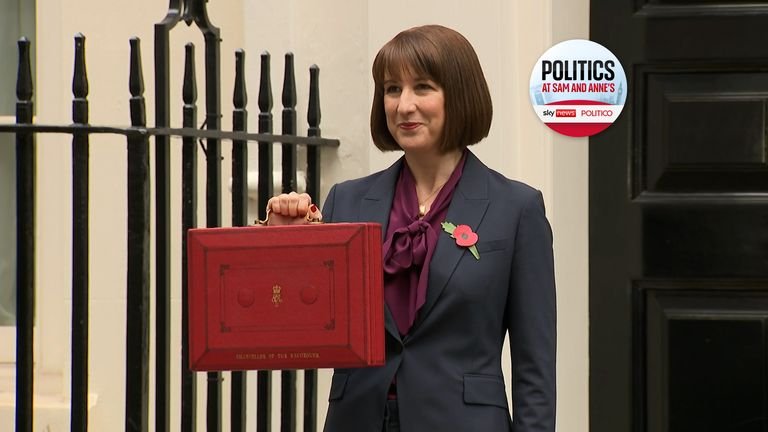
The Treasury did not respond to a request for comment as the chancellor, Rachel Reeves, prepares to deliver her budget on 26 November.
When racing shuts down on Wednesday – with four scheduled events rescheduled – the sport will converge on Westminster to lobby for the tax hike to be scrapped.
Why aren’t we hearing about the budget ‘black hole’?
‘We should be treated differently’
«This is an existential threat for the sport,» Brant Dunshea, the chief executive of the BHA, said at Windsor Racecourse yesterday, justifying the need for special treatment on taxation.
«Racecourses are often the focal point of local towns and communities across the country, as are the training facilities, the studs and breeding facilities across the country.
«So we would see it say that British racing is woven into our national fabric. And for those reasons, for all the social benefits that we bring to the nation, we should be treated differently.»
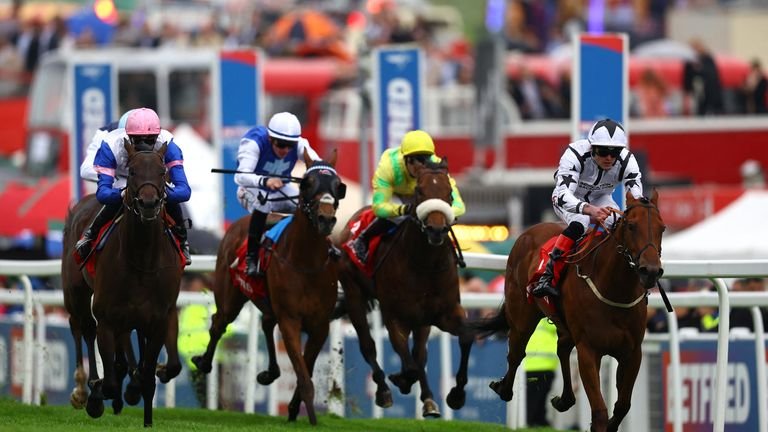
The Epsom Derby, which took place in July. Pic: Reuters
‘We can’t keep this up’
The Betting and Gambling Council has warned of unnecessary disruption to punters, and complained about how racing reached the decision to call off a day.
But the reality of the racing industry is felt by those up at dawn every day. Tom Marquand, a self-employed jockey, rarely takes a day off from racing as it significantly impacts his earnings. However, all of British horse racing will come to a standstill on Wednesday due to a day of strike action against proposed tax changes. The potential harmonization of tax rates on online gambling could have severe economic consequences for the industry, including job losses and a significant revenue decrease. The British Horse Racing Authority (BHA) predicts dire outcomes if the government proceeds with the tax policy changes. Marquand emphasized the importance of maintaining current funding levels to support owners and cover the costs of horse upkeep and training. The potential changes could destabilize the industry, leading to a collapse of the entire system. If funding is lost, everything else will crumble around it as it is a crucial part of the sport. The Treasury did not respond to a request for comment as Chancellor Rachel Reeves prepares to deliver her budget on 26 November. Racing will shut down on Wednesday, leading the sport to converge on Westminster to lobby for the tax hike to be scrapped.
«This is an existential threat for the sport,» said Brant Dunshea, the chief executive of the BHA, emphasizing the need for special treatment on taxation. He highlighted the importance of British racing within the national fabric and the social benefits it brings to the nation, urging for different treatment.
The Betting and Gambling Council has warned of unnecessary disruption to punters due to racing’s decision to call off a day. Sarah Guest, who has been in the industry for three decades, expressed concerns about the increased cost pressures. Trainer John Berry also voiced his frustrations about the poor prize money in British racing, which relies heavily on international investment.
He supports the BHA’s campaign but criticizes the messaging around ‘Axe the Tax,’ stating that catchy slogans do not accurately represent the industry’s needs. The desire is for things to remain as they are, rather than increasing the tax on betting by a significant amount, which would negatively impact racing’s already strained finances. The racing industry hopes that the Treasury does not take any gambles with their futures.
Tom Marquand, a self-employed jockey, considers taking a day off from racing a significant event. He has only had one day of rest in the past seven weeks while travelling across Europe to maximize his earnings. However, all of British horse racing will come to a standstill on Wednesday as part of an unprecedented day of strike action. This move represents the sport raising the stakes in its battle with the government over budgetary matters.
Dire economic forecasts have been issued if proposals to harmonize tax on online gambling into a single rate are pursued. This would involve increasing the 15% tax currently paid by bookmakers on racing bets online to the 21% paid by online casinos and games. The British Horse Racing Authority (BHA) has predicted that over 2,750 jobs could be at risk in the first year if this policy is implemented, with a potential revenue hit of £330 million within five years.
Tom Marquand expressed concerns about the impact of reduced funding on the racing industry. He emphasized the delicate balance of financial resources that support the sport, highlighting the importance of owners winning money to cover the costs of horse upkeep and training. He likened the situation to removing a Jenga block from a pile, where the removal of a vital component could lead to the collapse of the entire structure. Marquand emphasized the crucial role of funding in supporting all aspects of racing.
The racing industry is set to lobby against the proposed tax hike, with the hope of persuading the government to abandon the plans. Racing officials believe that special treatment in terms of taxation is warranted due to the sport’s significant social and economic contributions to the nation. The industry argues that racecourses, training facilities, studs, and breeding facilities play a vital role in local communities and should be recognized for their national importance.
Brant Dunshea, the chief executive of the BHA, described the proposed tax hike as an existential threat to the sport. He stressed the integral role that British racing plays in the fabric of the nation, with racecourses serving as focal points for local towns and communities. Dunshea emphasized the social benefits that racing brings to the nation and called for the industry to be treated differently in terms of taxation.
As the racing industry braces for a day of strike action to protest the proposed tax increase, the Treasury remains silent on the matter. Chancellor Rachel Reeves is set to deliver the budget on November 26, with racing stakeholders hopeful that their concerns will be addressed. The industry’s future hangs in the balance as the government weighs its budgetary decisions, with racing officials advocating for policies that safeguard the long-term sustainability of the sport.
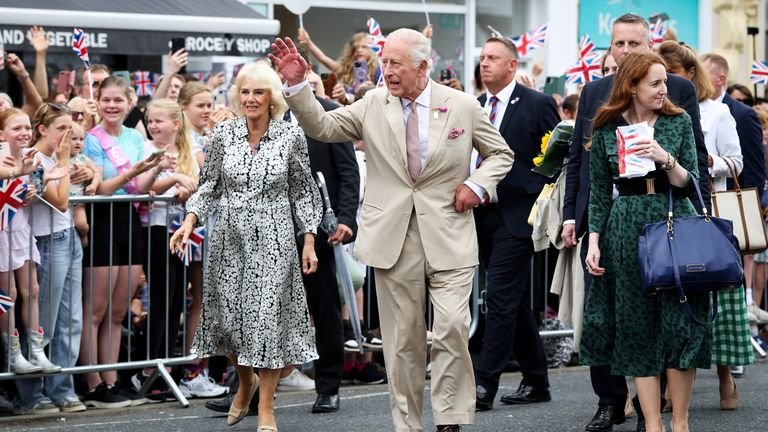
The King and Queen visit Newmarket earlier this summer. Pic: Reuters

Por Michael Bunting
“I’m Michael Bunting, Communications Director with over 20 years of experience in corporate reputation, crisis management, and digital strategy. I have led teams in multinational companies and agencies, advised executives, and designed high-impact strategies. I am driven by transparency, innovation, and leveraging communication as a competitive advantage.”