

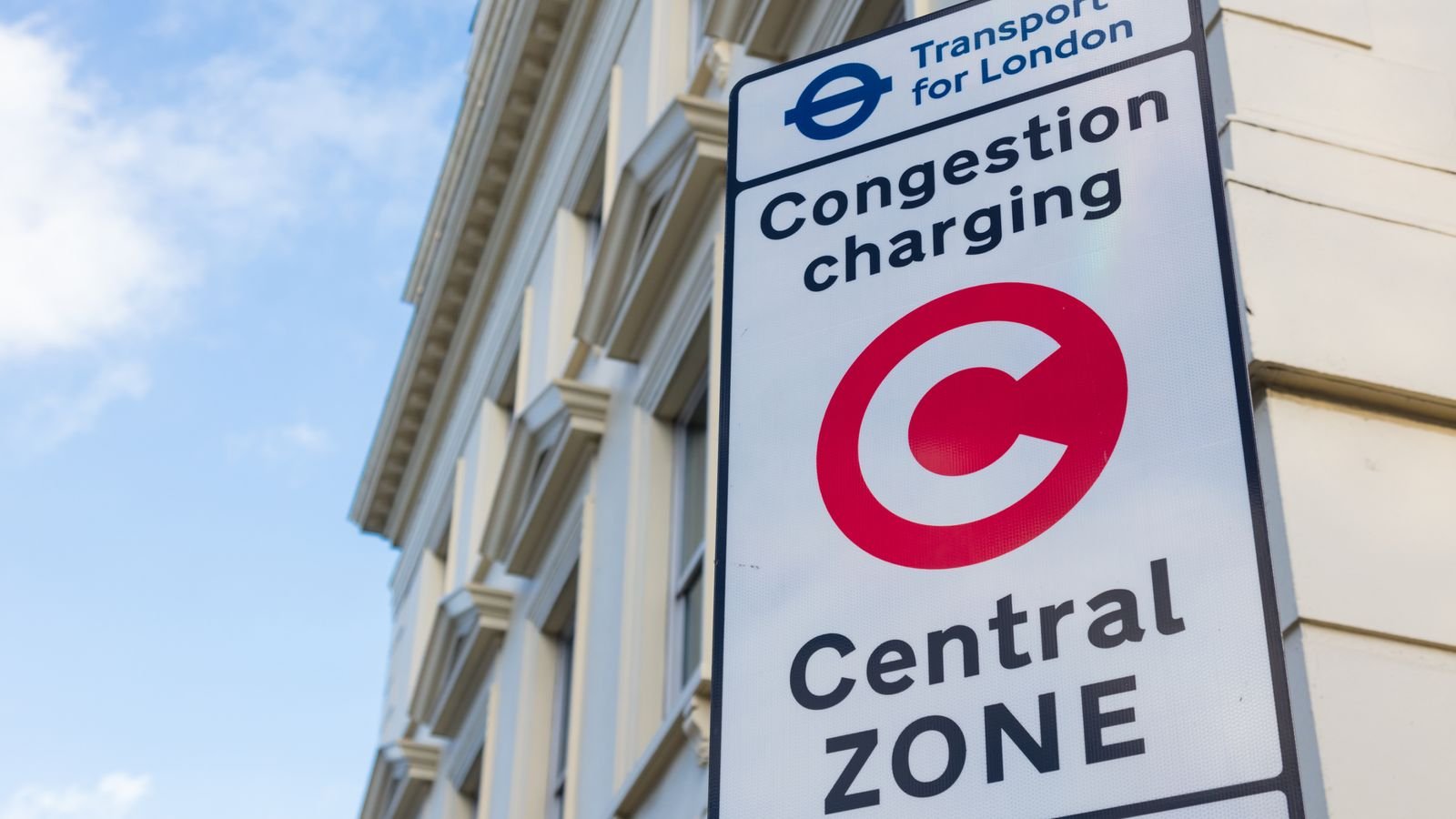
London’s congestion charge could potentially increase by 20% next year as part of new proposals, marking the first hike since 2020.
Transport for London (TfL) has initiated a consultation on behalf of London mayor Sadiq Khan to raise the daily charge from £15 to £18 starting from January 2026.
The last adjustment to the fee occurred five years ago, resulting in a 30% increase from £11.50.
When combined with the £12.50 ultra-low emission zone charge, owners of older vehicles would face a total daily charge of £30.50 to drive within the capital.
TfL has indicated that the cost could see an annual rise by 2026, with the proposed 20% increase falling below the inflation hike over the six years since the previous adjustment.
Politics latest: Farage makes multibillion pound spending pledges
Another proposal under consideration is a new discount for cleaner vehicles, with a 50% discount for electric vans, heavy goods vehicles, and quadricycles using Auto Pay, and a 25% discount for electric cars using Auto Pay.
Currently, all electric vehicles can travel through the congestion zone free of charge, but this privilege is set to end on Christmas Day this year.
The proposal also outlines that electric vehicles should receive reduced discounts by 4 March 2030, with a 25% discount for the initial set of vehicles and a 12.5% discount for electric cars.
TfL has stated that these discounts will be automatically applied based on DVLA data, eliminating the need for eligible customers to register for the cleaner vehicle discount and pay a registration fee.
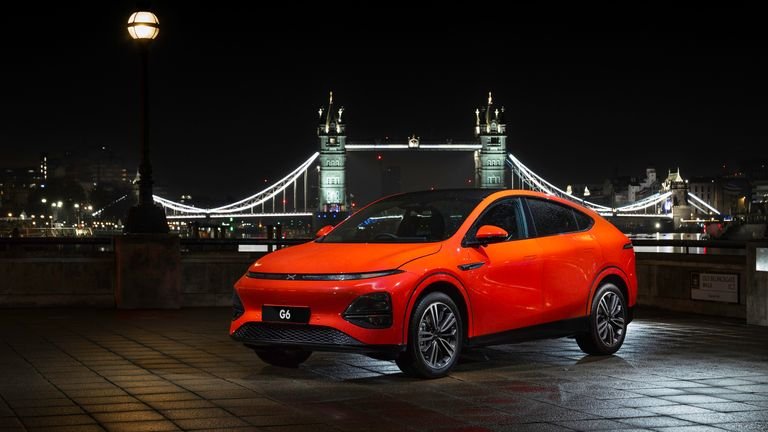
Electric cars would no longer get a 100% discount under the plans. Pic: XPENG
A third proposal would impact residents not utilizing an electric car, as the current 90% blanket residents’ discount would be eliminated from 1 March 2027.
TfL has justified this move as a way to «incentivise» residents to opt for «the cleanest available vehicles».
However, it has clarified that the removal of the 90% discount for non-electric vehicles would only apply to new applicants, meaning existing recipients of the residents’ discount would not be required to pay the charge on a daily basis.
The ongoing consultation, scheduled until 4 August on TfL’s «have your say» website, asserts that the proposed changes aim to enhance the effectiveness of the congestion charge in managing traffic and congestion.
«The mayor also envisions London transitioning into a net-zero carbon city by 2030 and aligning with the World Health Organization’s air quality standards at the earliest opportunity,» the statement adds.
‘ULEZ is not anti-car’, says Mayor
Seb Dance, deputy mayor for transport, has expressed that «Maintaining the flow of traffic in London by reducing congestion is crucial for our city and its economy.
«While the congestion charge has been highly successful since its inception, we must ensure that it remains relevant and effective.
«Maintaining the current status quo would result in approximately 2,200 more vehicles entering the congestion charging zone on an average weekday next year.
«Simultaneously, we must encourage Londoners and businesses to adopt greener and more sustainable modes of travel. This is why we are pleased to propose that significant incentives continue to be available for individuals in London who transition to cleaner vehicles.
«We urge everyone to participate and provide feedback in the public consultation.»
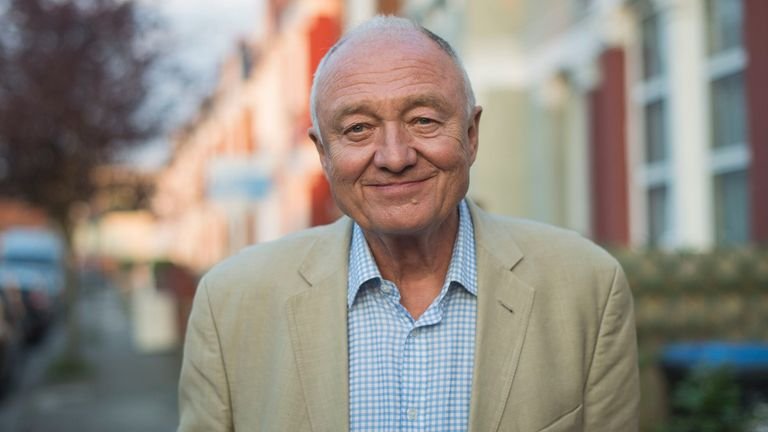
Ken Livingstone introduced the congestion charge in 2003. Pic: PA
The congestion charge zone was initially established by Ken Livingstone in 2003 at a rate of £5 per day, which was later doubled in 2010 and further increased to £11.50 in 2014.
Despite being reduced in 2007 and 2011, the zone continues to be one of the largest in the world.
In 2019, the ultra-low emission zone was implemented for vehicles that fail to meet emissions standards, requiring them to pay both charges.
By 2023, the zone had been expanded to cover all of Greater London.
Failure to pay the congestion charge promptly can result in fines ranging from £65 to £195.